
Motion Graphics
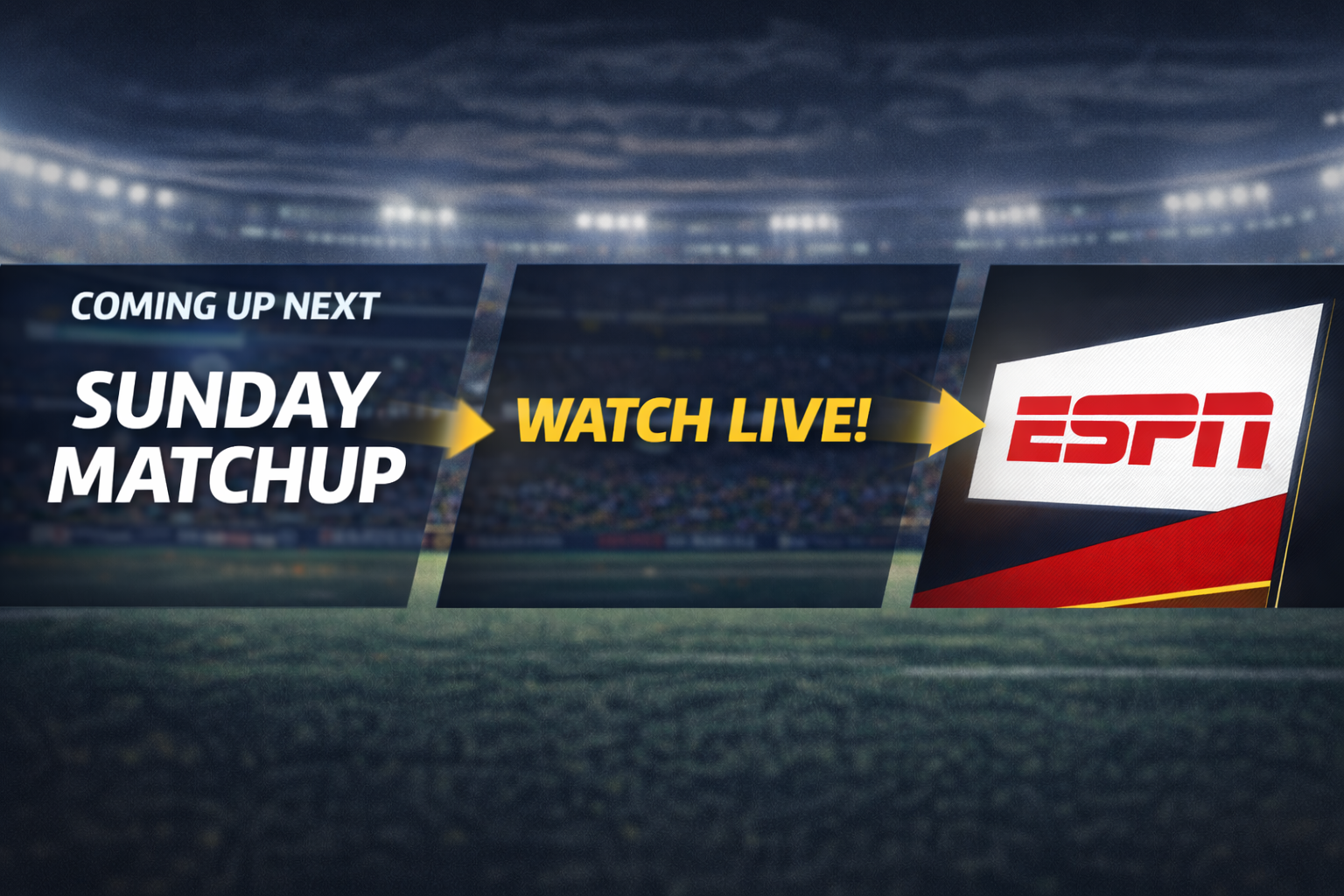
Created By OpenAi
When I watch a game on TV currently, I find myself noticing something I didn't before studying this class: nothing on the screen is static. The players are moving around the field. The camera is moving around them. The crowd is moving around the field too. Even the graphics are moving around on the screen. All of this is not just random movement. It's very purposeful within sports advertising because motion graphics are not just used to decorate the screen; they are what hold the entire thing together.
One thing I've noticed while watching sports on TV is the way the timing is used to create a hierarchy of information. While static design uses size, color, and position to create a hierarchy of information, moving graphics use timing to create this hierarchy. What appears first on the screen is what will get the most attention. What appears slightly later will be what's emphasized the most. On the blog Motionographer, there's a lot of discussion regarding the role of pacing and sequencing within broadcast design because this information is presented to the viewer in real time without any breaks (https://www.motionographer.com).
Motion can also enhance emotion. A title that comes quickly to the screen has a sense of importance, while a smooth zoom can create a sense of expectation. Fast transitions can represent the uncertainty of a live sports game. These are all strategic choices, and they are in line with the level of emotion already present in sports broadcasting. ESPN is a sports broadcasting company that uses animations in their lower thirds and transitions to maintain this level of excitement in their broadcasts (https://www.espn.com).
Another thing that stands out to me is the way in which motion can fight distractions. During a commercial, people are often looking at their phones, but a moving image on the screen can fight this distraction. A static image may not be seen, but a moving image has a much higher chance of being viewed.
As I continue to break down the advertising of sports, it becomes more and more obvious that the key to this is motion. It is what directs the viewer's eye, reinforces the hierarchy, and keeps the pace moving. It is a world where design is given mere seconds to work, and motion is the key.
Analyzing sports broadcasts through a lens of design has altered my experience of watching them. The way the visuals were once merely a backdrop is now a calculated science of motion designed to promote clarity, pace, and emotion all at once

A collection of my observations as a designer, breaking down the small details, trends, and creative choices I notice in sports, media, and digital design.
